High Wycombe Church of England School
Year 2
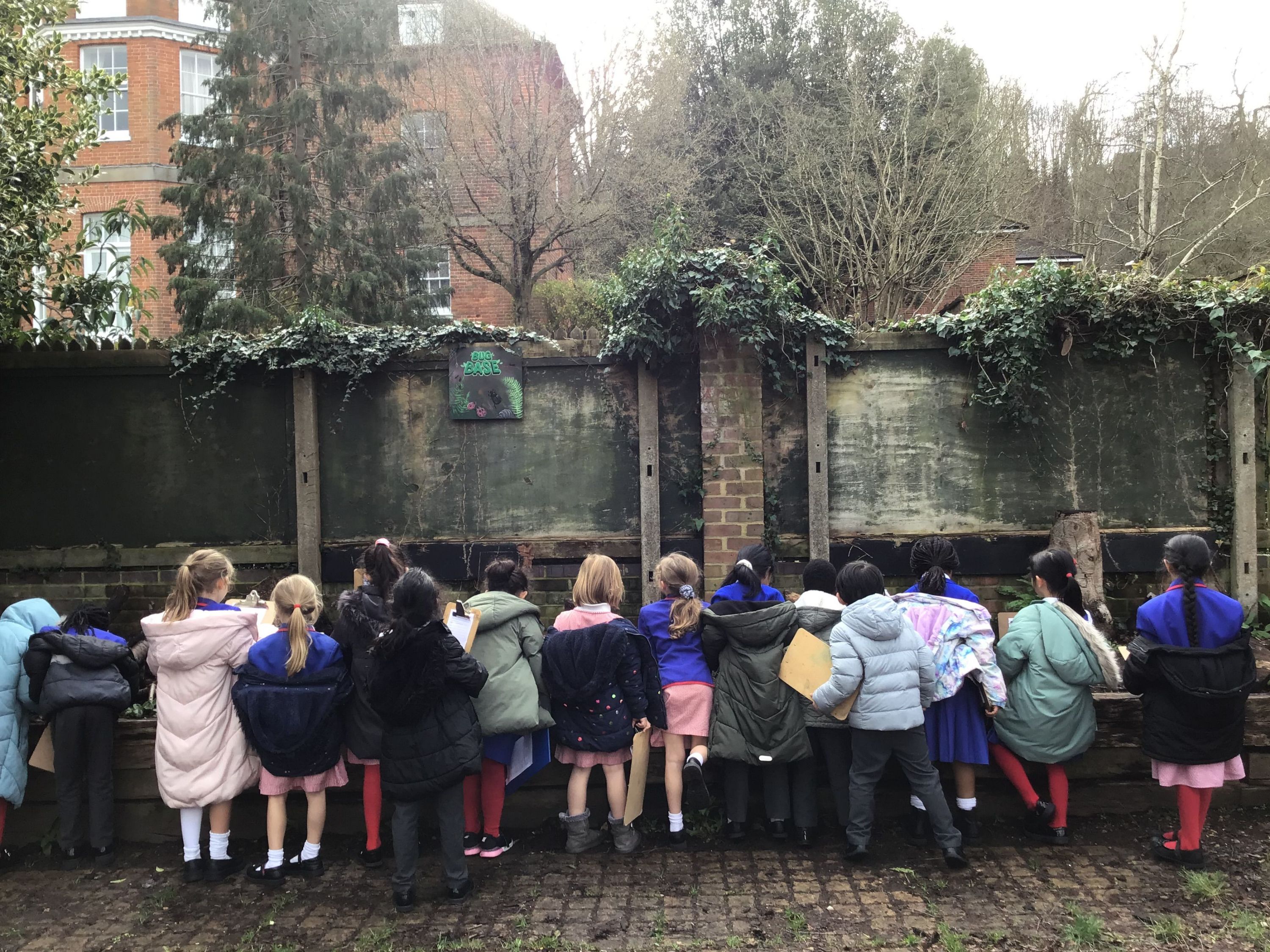
Autumn 1During our Courageous Advocacy afternoon, we spent time exploring the school’s nature areas and carried out a bug count to see how many insects could be observed within a set period of time. This activity not only encouraged us to engage with our environment but also provided us with valuable baseline data. By repeating this process later in the term, we will be able to measure any changes and better understand the impact of our actions on supporting and protecting local biodiversity.
Autumn 2
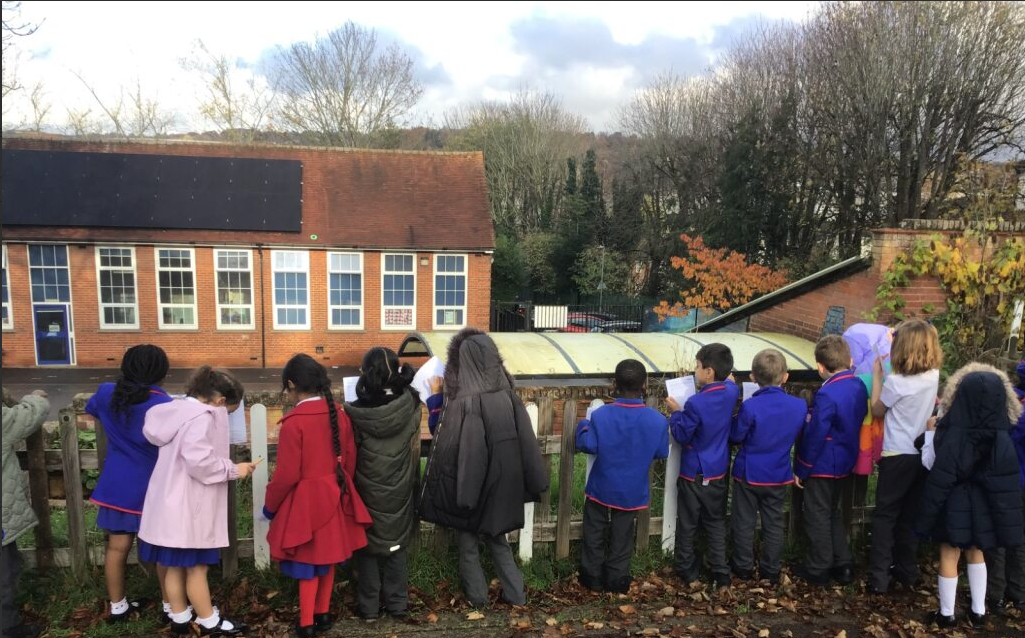
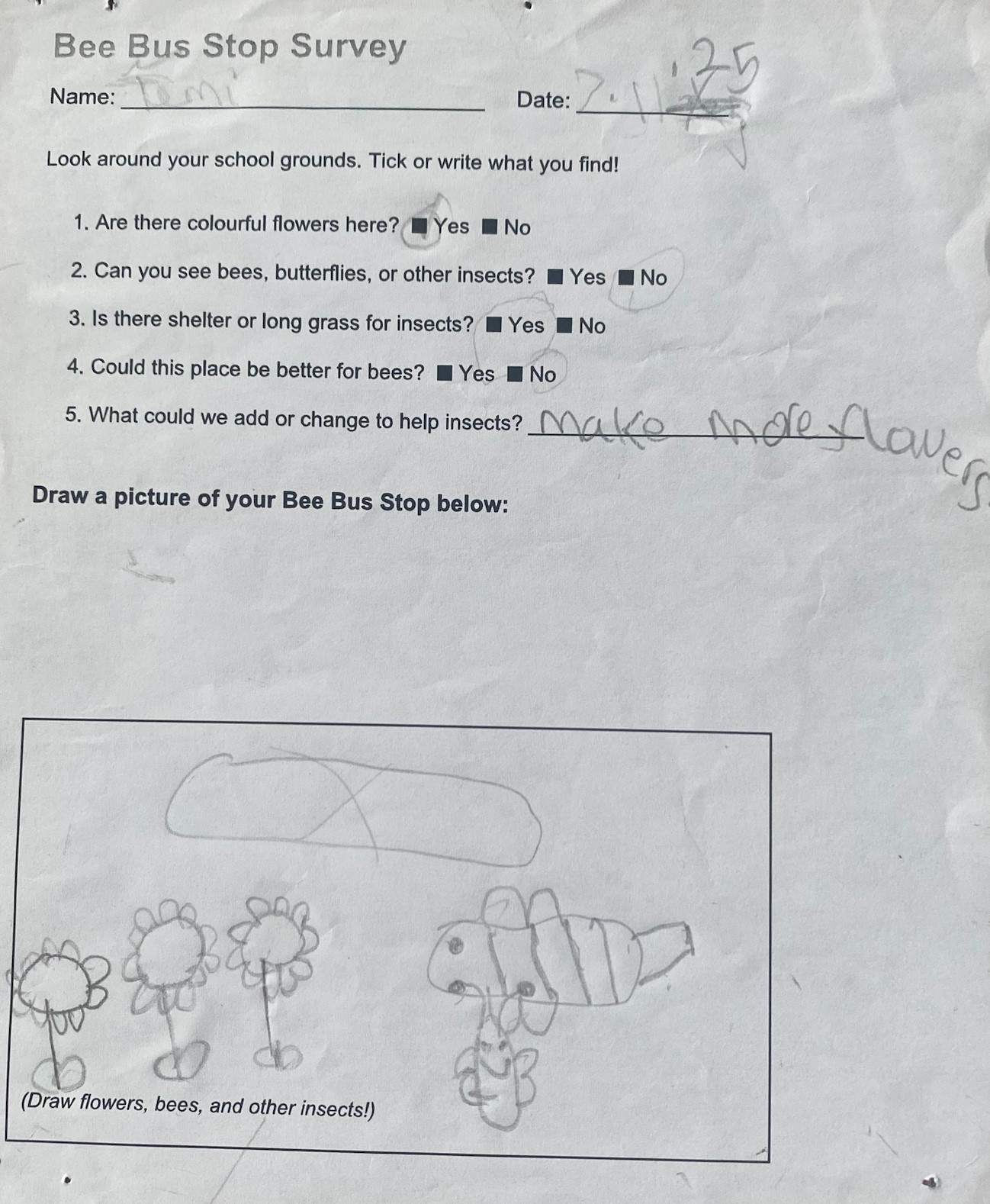
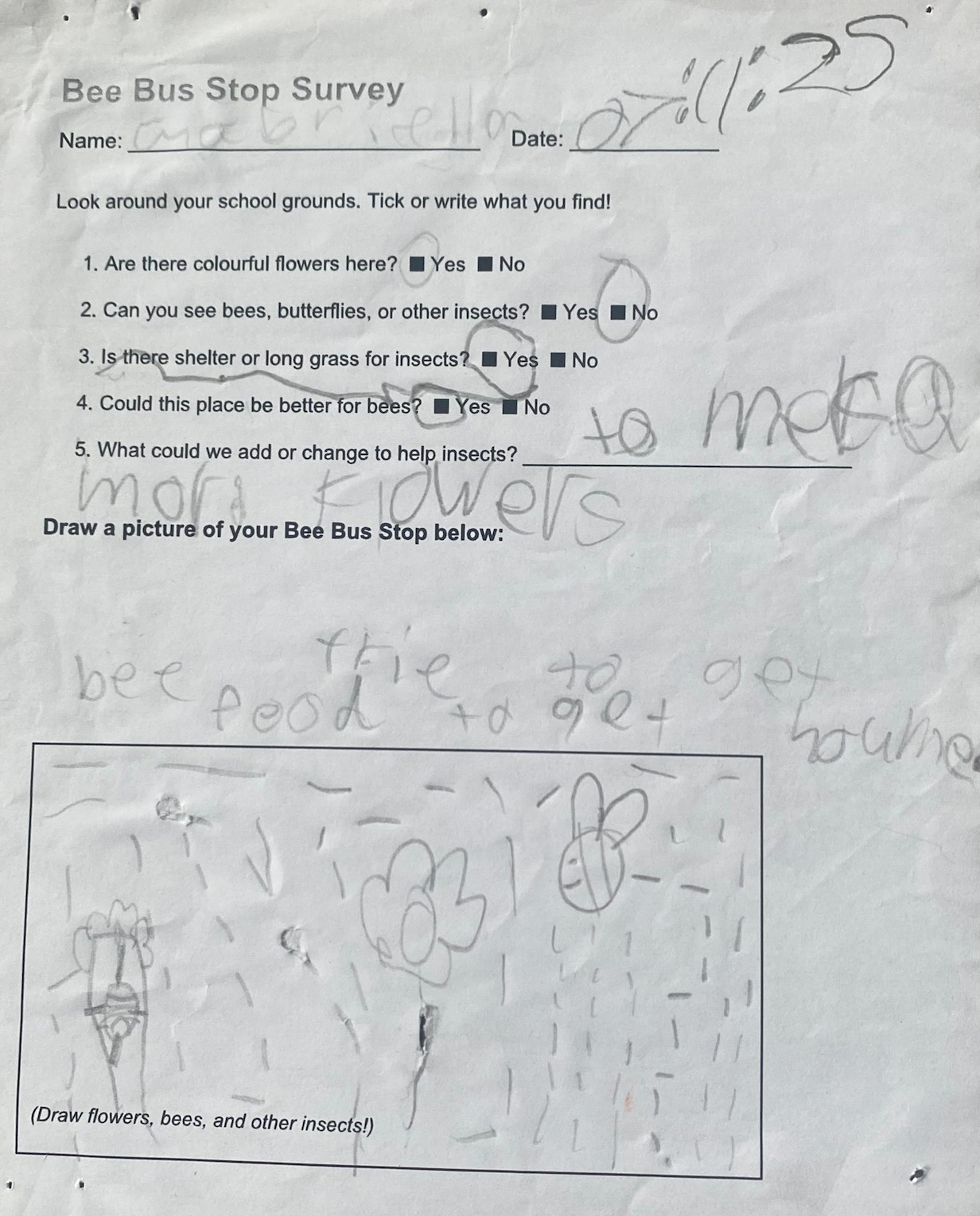
Our Year 2 pupils have been buzzing with excitement during their Courageous Advocacy Afternoon! As part of their mission to help protect our planet’s precious pollinators, the children explored the school grounds to survey which areas are safe and welcoming for bees. Armed with clipboards and curiosity, they completed another fascinating bug count – discovering just how many tiny creatures share our outdoor spaces!
They also learnt all about “bee bus stops” – special places filled with flowers that give bees a chance to rest and refuel. By the end of the afternoon, everyone was full of ideas for how we can make our school even more bee-friendly!
Spring 1
Over the past few terms, Year 2 have been completing their termly FIT (Flower-Insect Timed) checks around the school grounds, carefully observing and recording the insect life they find. The children were surprised to discover that the number of bumblebees visiting our school is very low.
After learning about the important role bees play in pollinating plants and helping our environment thrive, the class decided they wanted to take action. As part of our work on courageous advocacy, Year 2 have written to the Head of Buckinghamshire Council and have created a petition asking for local bus stops to be transformed into “bee bus stops” — bus shelters with wildflowers planted on their roofs to provide food and safe stopping places for bees.
We are incredibly proud of the children for using their learning to make a real difference in our community.
Further details about the petition can be found here — we would love your support!
Spring 2 - Lent Challenge
For our lent challenge, Year 2 have asked the school to monitor the number of bees they see around the school so we can get a clear view of the number of bees visiting our school.